
When it comes to keeping dogs away from certain areas or curbing unwanted habits, many pet owners find themselves navigating a maze of advice, products, and age-old remedies that promise quick fixes. However, the reality is that effective management of canine behaviour in the home and garden often comes down to something far more fundamental than expensive sprays or elaborate gadgets. Proper hygiene routines, consistent training, and a clear understanding of what actually works form the bedrock of a harmonious household with a four-legged companion. Separating fact from fiction is essential for anyone looking to maintain a clean, comfortable living space while ensuring their pet remains happy and well-adjusted.
Debunking popular misconceptions about dog repellents
Why shop-bought sprays aren't always the silver bullet
Walk into any pet shop and you will encounter an array of repellent sprays, each promising to solve your canine conundrums with a simple spritz. While these products can be useful in certain situations, they are far from the infallible solution many believe them to be. The effectiveness of commercial deterrents varies widely depending on the individual dog, the specific behaviour being targeted, and the environment in which they are used. Some dogs are simply less sensitive to the scents or tastes that repellents rely on, rendering even the most highly rated products ineffective. Moreover, the temporary nature of these solutions means that without addressing the underlying cause of the behaviour, your pet is likely to return to old habits once the scent fades or they become accustomed to it. Price comparisons online reveal a wide range of options, yet even the most expensive formulations cannot replace the need for proper training and consistent reinforcement. It is also worth noting that certain dogs may develop a tolerance to these products over time, necessitating frequent changes or combinations of deterrents that can become both costly and confusing.
The truth behind natural remedies and their effectiveness
For those inclined towards more holistic approaches, natural remedies such as white vinegar, peppermint oil, or bitter apple solutions are often touted as safer alternatives to chemical-laden sprays. While these substances can indeed deter some dogs from chewing furniture or digging in flower beds, their efficacy is not universal. Vinegar diluted with water may discourage certain behaviours, but it can also leave a lingering odour that some owners find unpleasant. Essential oils like peppermint must be used with caution, as ingestion of concentrated amounts can be harmful to dogs. Furthermore, natural deterrents often require more frequent application than their commercial counterparts, demanding diligence and consistency from the owner. The idea that a simple household ingredient can entirely replace structured training and behavioural management is a myth that leads many pet owners to frustration when results fall short of expectations. Understanding that these remedies serve as supplementary tools rather than standalone solutions is key to realistic and successful outcomes.
Establishing proper hygiene routines that actually work
Daily grooming practices that prevent unwanted behaviours
A clean dog is not only more pleasant to have around the house but is also less likely to engage in behaviours that owners find undesirable. Regular grooming sessions, including brushing, bathing, and paw cleaning, significantly reduce shedding and the transfer of outdoor dirt and germs into your living spaces. Proper hygiene practices extend beyond aesthetics, as they also play a role in preventing the spread of bacteria such as Salmonella and E. coli, which can be particularly concerning for households with young children, elderly family members, or individuals with weakened immune systems. Establishing a routine where your dog is accustomed to being groomed from an early age makes the process smoother and less stressful for both parties. Wiping paws after walks, checking for ticks or injuries, and maintaining dental hygiene all contribute to a healthier pet and a cleaner home environment. These daily practices may seem tedious at first, but they quickly become second nature and yield long-term benefits that far outweigh the initial effort required.
Creating a Cleaning Schedule That Benefits Both You and Your Pet
Beyond grooming the dog itself, maintaining a clean living environment is equally important. Regularly washing bedding, vacuuming floors, and disinfecting areas where your dog spends time help minimise the build-up of allergens, odours, and potential pathogens. A structured cleaning schedule ensures that hygiene standards remain consistent rather than becoming an afterthought during busy periods. This proactive approach not only keeps your home pleasant but also reduces the likelihood of behaviours such as excessive scratching or licking, which can be exacerbated by discomfort caused by unclean surroundings. Using appropriate cleaning products that are safe for pets is crucial, as harsh chemicals can cause irritation or adverse reactions. Implementing these routines alongside the use of deterrents creates a comprehensive strategy that addresses both the symptoms and root causes of common canine behavioural issues.
Training versus deterrents: finding the right balance
How positive reinforcement outperforms repellent products
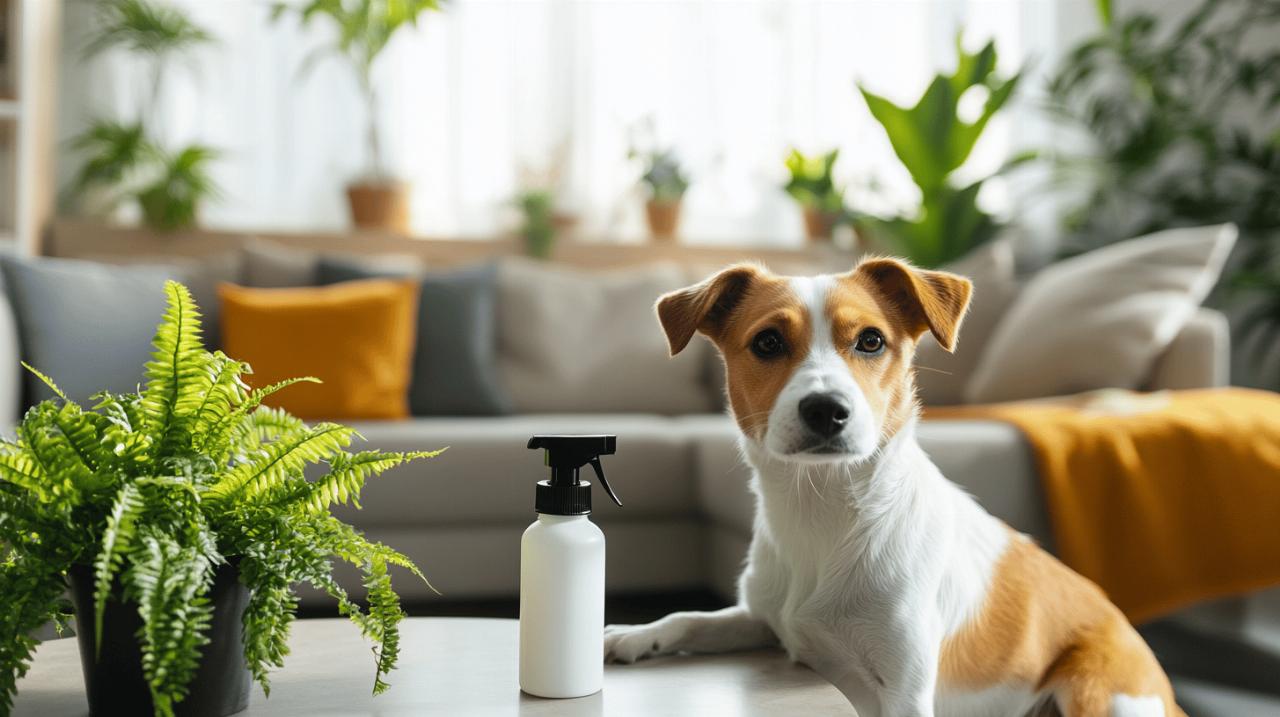 While deterrents can discourage unwanted actions, they do little to teach a dog what is expected of them. Positive reinforcement, on the other hand, actively rewards desirable behaviour and encourages repetition of those actions. Treating, praising, or providing affection when your dog behaves appropriately is far more effective in the long run than simply preventing access to certain areas or objects. This method builds trust and strengthens the bond between owner and pet, creating a more harmonious relationship. Training classes, similar to those run by organisations like the Guide Dog Association, offer structured environments where both dogs and owners can learn effective communication techniques. Consistency is paramount, as mixed signals or sporadic enforcement of rules confuse the animal and hinder progress. Combining positive reinforcement with well-timed deterrents provides a balanced approach that addresses immediate concerns while fostering long-term behavioural change.
Combining consistent training with strategic deterrent use
The most successful canine behaviour management plans integrate both training and deterrents in a complementary fashion. For instance, if your dog has a habit of chewing on furniture, applying a bitter spray to the targeted area can discourage the behaviour in the short term, while simultaneously providing appropriate chew toys and rewarding their use reinforces the correct alternative. Identifying problem areas and understanding the motivation behind unwanted behaviours allows for more strategic application of deterrents. A dog digging in the garden may simply need more physical exercise or mental stimulation, and addressing these underlying needs will yield better results than any repellent alone. Regular veterinary check-ups ensure that behavioural issues are not rooted in medical problems, such as pain or discomfort, which can manifest as aggression or destructiveness. By viewing deterrents as one component of a holistic approach rather than a complete solution, owners set themselves and their pets up for success.
Safe and Effective Deterrent Application in Your Home
Identifying problem areas and choosing appropriate products
Before applying any deterrent, it is essential to accurately identify the areas and behaviours that require intervention. Observe your dog's patterns and note the specific locations where undesirable actions occur most frequently. This targeted approach ensures that deterrents are used efficiently and reduces unnecessary chemical exposure throughout the home. Selecting the right product involves considering factors such as the dog's sensitivity, the surface being treated, and the safety of other household members, including children and elderly individuals. Some repellents are designed for indoor use, while others are better suited to outdoor environments. Reading labels carefully and testing products on small, inconspicuous areas first helps prevent damage to furnishings or adverse reactions. Understanding the distinction between different types of deterrents, such as taste-based versus scent-based options, allows for more informed decisions tailored to your specific situation.
Avoiding common mistakes that reduce deterrent effectiveness
Even the best deterrents can fail if applied incorrectly or inconsistently. One common mistake is neglecting to reapply products after cleaning or exposure to weather, which diminishes their potency. Another frequent error is using deterrents without addressing the root cause of the behaviour, leading to temporary suppression rather than genuine resolution. Over-reliance on repellents can also lead to complacency regarding training and hygiene practices, ultimately undermining long-term success. It is important to remember that deterrents work best when paired with positive alternatives and clear communication of boundaries. Additionally, some dogs may require a combination of different deterrent types or methods before finding what resonates with them. Patience, observation, and adaptability are crucial throughout this process. Ensuring that all household members are on the same page and consistently enforce rules prevents confusion and accelerates progress. By avoiding these pitfalls and maintaining a balanced, informed approach, pet owners can create a clean, well-ordered home environment that supports both human and canine well-being.